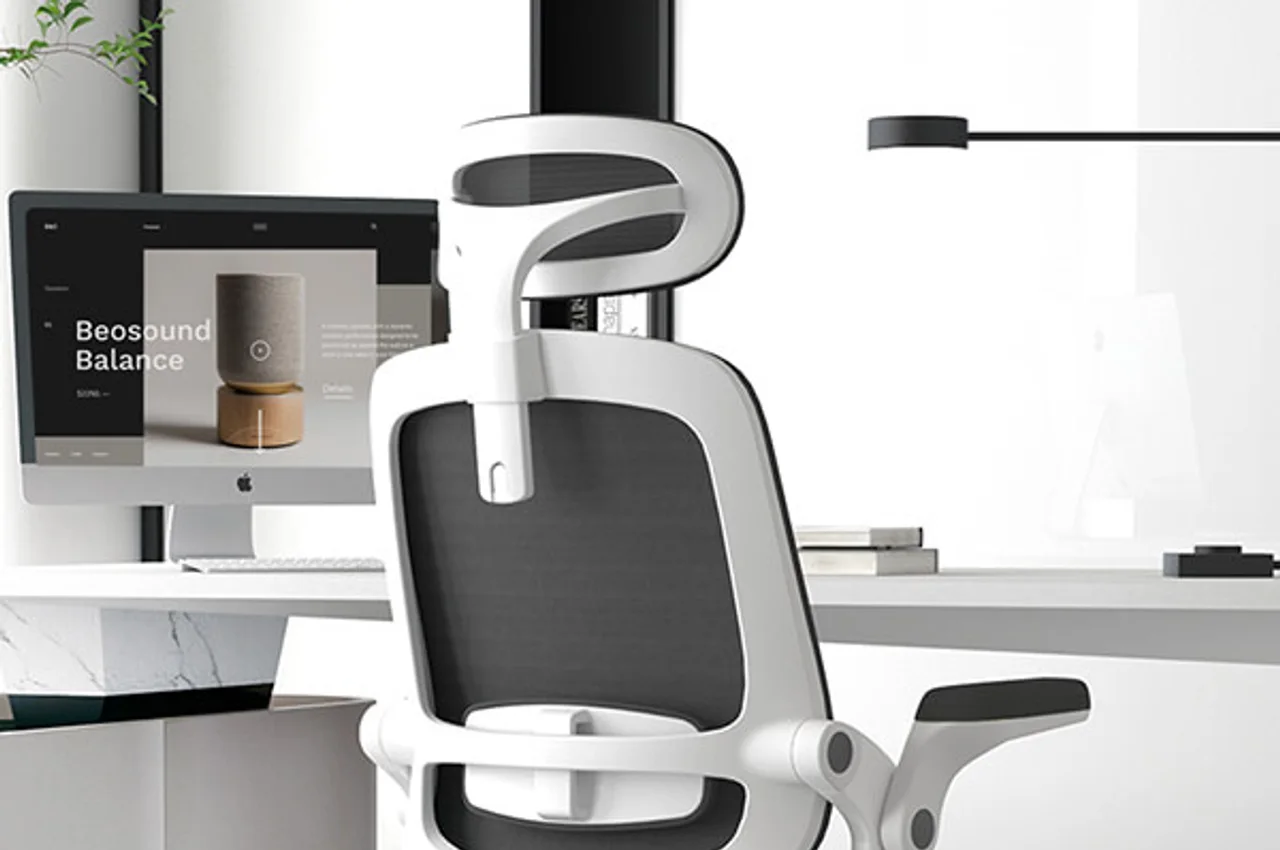
For twenty years the question European buyers asked about an office chair was how long it lasts. The question arriving in tenders now is different: when something wears out, can it be fixed — by whom, with what parts, available for how long. The EU's broader push on ecodesign and the right to repair is filtering into furniture procurement, and several of our European customers have already had reparability and parts availability scored in fit-out bids. You do not need to wait for a regulation to take this seriously; the buyers are ahead of the law. What follows is how we structure a parts program on a contract order, and what it honestly costs.
What actually wears out on a task chair
Repairability starts with knowing where chairs fail, because a parts program that stocks the wrong parts is theatre. On a task chair in daily office use, the wear list is short and very consistent: casters first, gas lifts second, armpads third. Casters are consumables — they pick up debris, the wheels score, and on hard floors they simply abrade. Gas lifts lose pressure over years of cycling; a chair that sinks is almost always a lift, not a frame. Armpads scuff and the PU skin wears through where forearms rest all day. Behind those three come seat foam (compression set on the front edge), mesh (loss of tension on a hard-used mesh task chair), and the mechanism's tension handle or seat-slider stops. Frames, bases and mechanisms themselves rarely fail inside a sensible service life — and when they do, that is a warranty conversation, not a parts one.
Repairable is a design decision, not a promise
Here is the part that has to happen at the spec stage. A chair is repairable if its wear parts come off with normal tools and go back on without skill: casters that press out by hand, a gas lift that swaps with a pipe wrench and a mallet, armpads fixed with screws from below rather than glued into the armrest body, a seat that unbolts from the mechanism so foam or upholstery can be exchanged as a unit. None of this costs meaningful money at production. The opposite choices — glued pads, riveted seats, proprietary caster stems — save cents and quietly make every future repair a replacement. When a tender asks "can the seat be replaced on site," the answer was decided the day the chair was engineered. Ask for screw-fixed wear parts in the spec; we build them that way as a default on contract lines because we are the ones who get the email in year four.
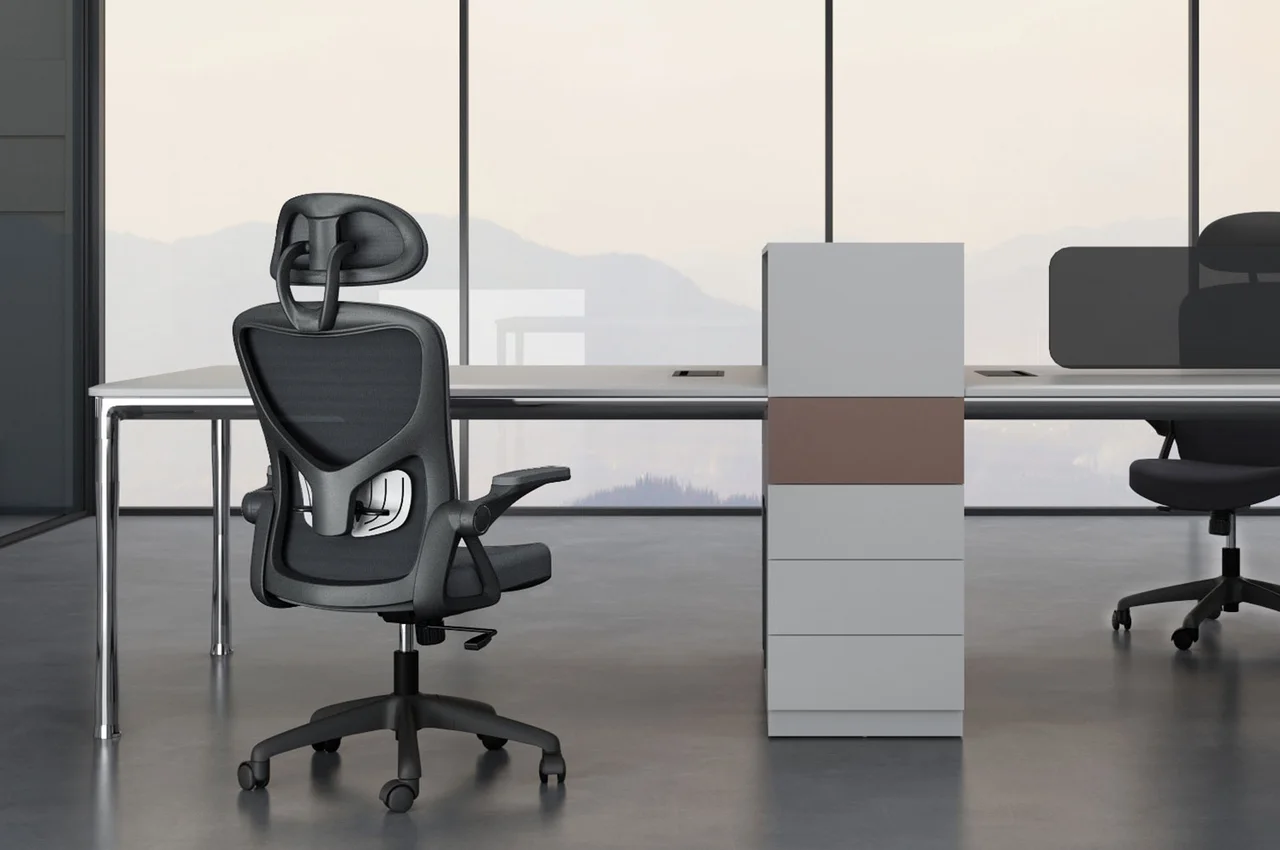
How a parts program is actually structured
A workable program for a contract order has three layers, and they are cheaper in the order listed.
1. Parts shipped with the order
The cheapest spare part you will ever own is the one that rode in the container. On contract orders we recommend a small percentage of casters, gas lifts and armpad sets packed with the main shipment — they cost little, take no meaningful container space, and they are guaranteed to match: same batch, same finish, same stem size. A facilities team with a box of matching casters fixes ninety percent of complaints the same day.
2. A commitment window from the factory
The second layer is a written parts-availability commitment: for which years after delivery we will supply the wear-part set for your configuration. This is what tenders increasingly ask for, and it costs the factory discipline rather than money — it means we record your exact build (caster stem, lift class and stroke, armpad mould, fabric article) and keep the component sources or compatible equivalents mapped for that window. Ask your supplier what happens if a component goes end-of-life inside the window; the honest answer involves naming a compatible substitute and documenting it, and a supplier without an answer does not have a program.
3. On-demand small shipments
The third layer — air-freighting small parts orders years later — works, but it is the expensive way to run a fleet, and customs on tiny shipments is nobody's favourite afternoon. We treat it as the backstop, not the plan. The arithmetic almost always favours layer one: parts bought with the order cost a fraction of the same parts shipped alone in year three.
The honest trade-off
A parts program is not free. The shipped-spares layer adds a small percentage to the order value; the commitment window adds record-keeping and constrains how freely components can be substituted on later runs. For a 200-chair office that will be refreshed in five years anyway, a thin program — casters and lifts in the container, nothing more — is the right size. For a 2,000-seat estate or a public-sector frame agreement, the full structure earns its cost several times over, because the alternative is retiring whole chairs over a €6 caster. Size the program to the fleet, and put it in writing either way.
If you are bidding work where reparability is scored — or you just want your fleet to age cheaply — send us the model, the quantity and the service window you need through the contact form or at [email protected]. We will quote the chair and the parts program as one document, the way the tender will want to read it. The ergonomic range and ODM/OEM workflow pages show where the wear-part decisions sit in the build.